Photo Book vs. Photo Album: Which Is Right for Your Memories?
We take thousands of photographs on our smartphones and digital cameras, yet the vast majority remain trapped on hard drives and in the cloud. Bringing these memories into the physical world is one of the most rewarding ways to celebrate your life's milestones. But when you finally decide to print them, you are immediately faced with a classic dilemma: Photo Book vs. Photo Album: Which Is Right for Your Memories?
Both formats offer distinct advantages, whether you are preserving casual everyday snaps or an elegant collection of wedding portraits. To help you make the best decision for your treasured moments, let's explore the unique benefits, drawbacks, and practical considerations of both options.
The Classic Charm of a Printed Photo Album
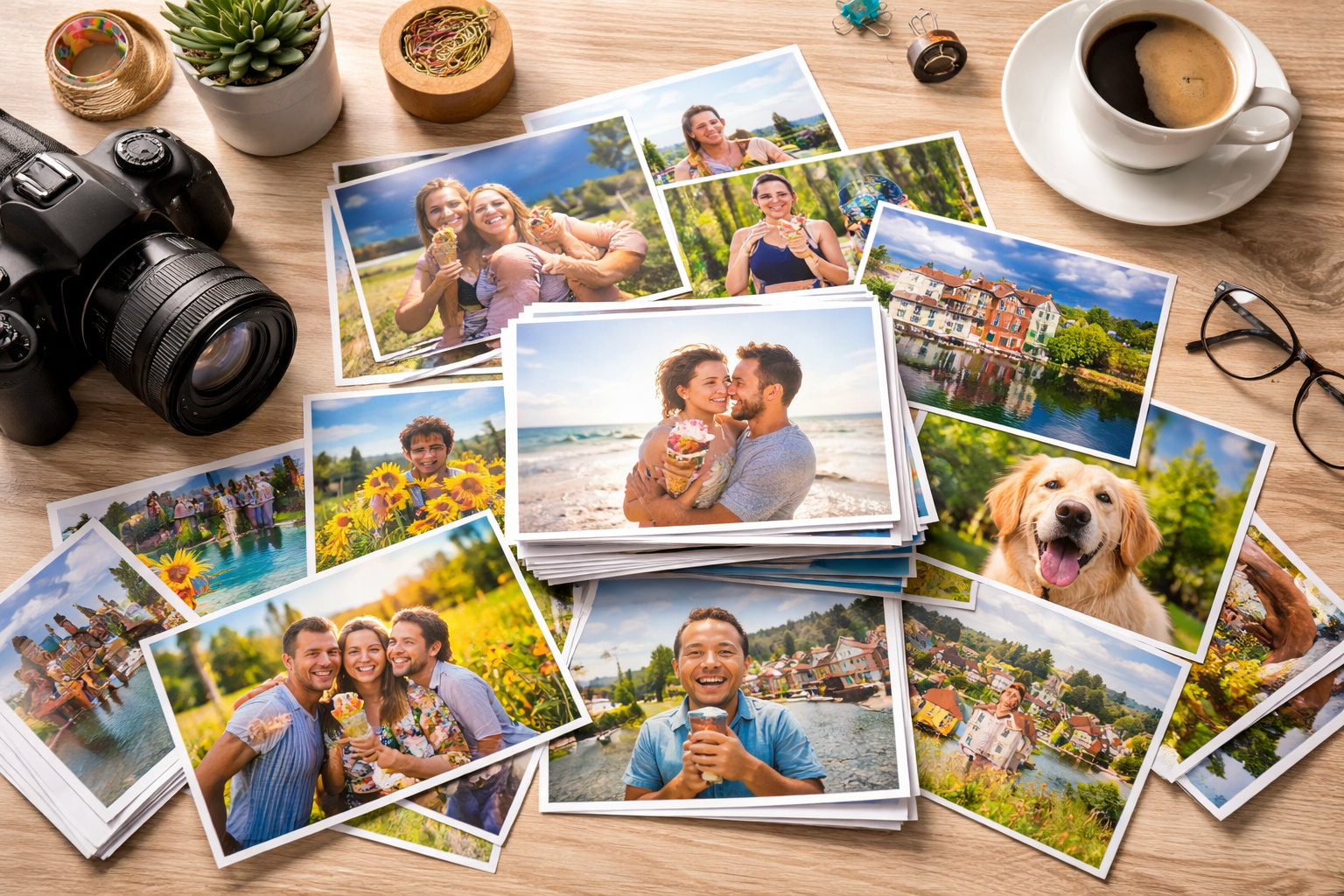
For many of us, the traditional printed photo album is synonymous with childhood nostalgia. There is something undeniably magical about the tactile experience of physical photo prints; the satisfying slide of paper, the thickness of a glossy 6x4, and the ability to rearrange pictures whenever you wish.
Traditional albums generally fall into two main categories:
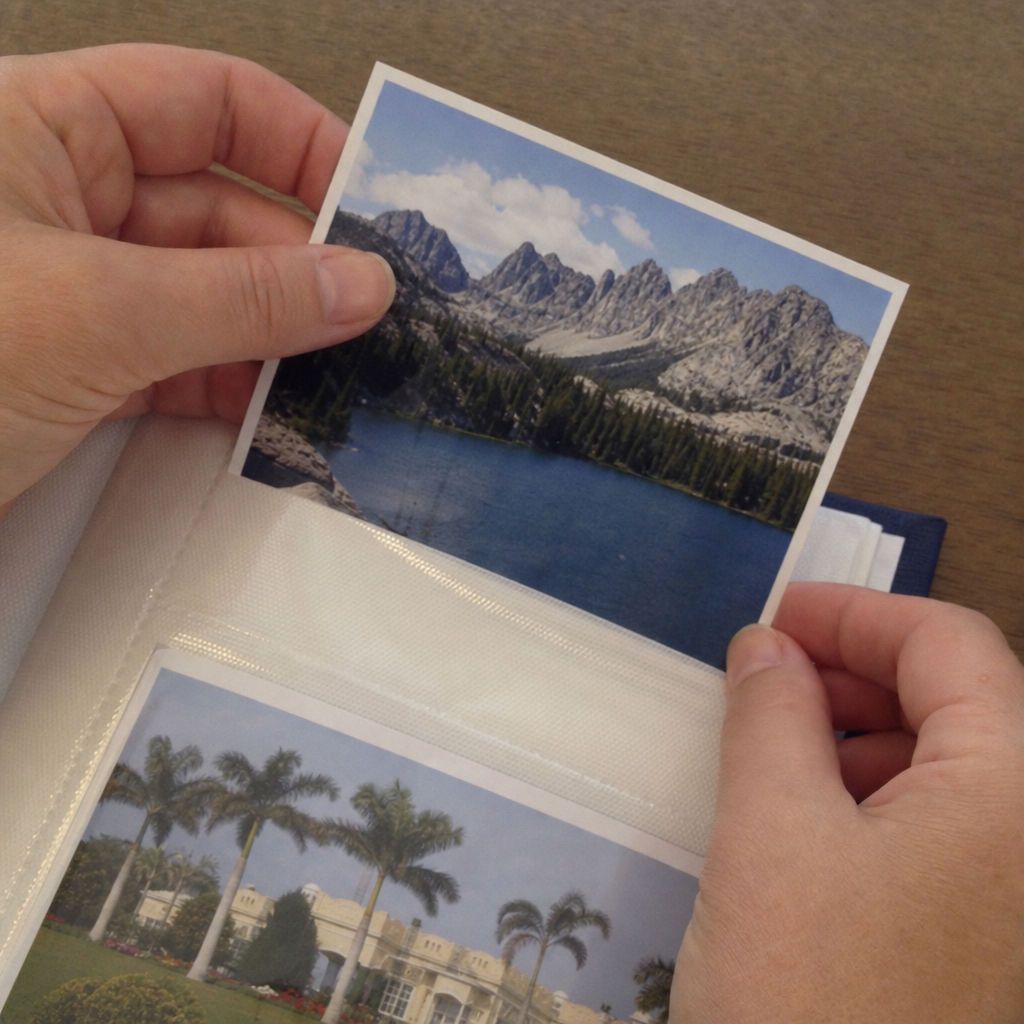
- Slip-in albums: Using slip-in pocket albums for quick assembly is a fantastic, fuss-free option. You simply slide your standard-sized prints into clear plastic sleeves.
- Adhesive albums: If you want more creative freedom, you might consider sticky pages. However, it is vital to weigh up the pros and cons of self-adhesive photo pages. Whilst they allow you to mix and match photo sizes and add ticket stubs, the adhesive can degrade over time, sometimes damaging the prints if not manufactured to a high standard.
A traditional album is incredibly flexible. Because you purchase the book and the prints separately, you can take advantage of cost-effective bulk photo printing solutions. This makes traditional albums ideal for growing families who want to continually add new memories over the years without having to design a brand-new book every few months.
The Modern Appeal of a Digital Photo Book
In recent years, the digital photo book has transformed how we curate and showcase our photographs. Instead of pasting individual prints onto a page, your images are printed directly onto the paper, bound together like a professionally published volume.
When you opt for a digital photo book, you step into the role of a designer. The debate of custom digital layout vs manual scrapbooking often leans heavily towards digital books for those who prefer a sleek, polished, and mess-free finish. You can easily add text, choose elegant backgrounds, and resize images without ever touching a glue stick.
This format is particularly stunning for monumental life events. In fact, creating a seamless, professionally bound volume is widely considered one of the best ways to display wedding photography. When designing one, you can elevate the final product by focusing on a personalised coffee table book design that complements your living room décor, making it a proud display piece rather than something hidden away in a cupboard.
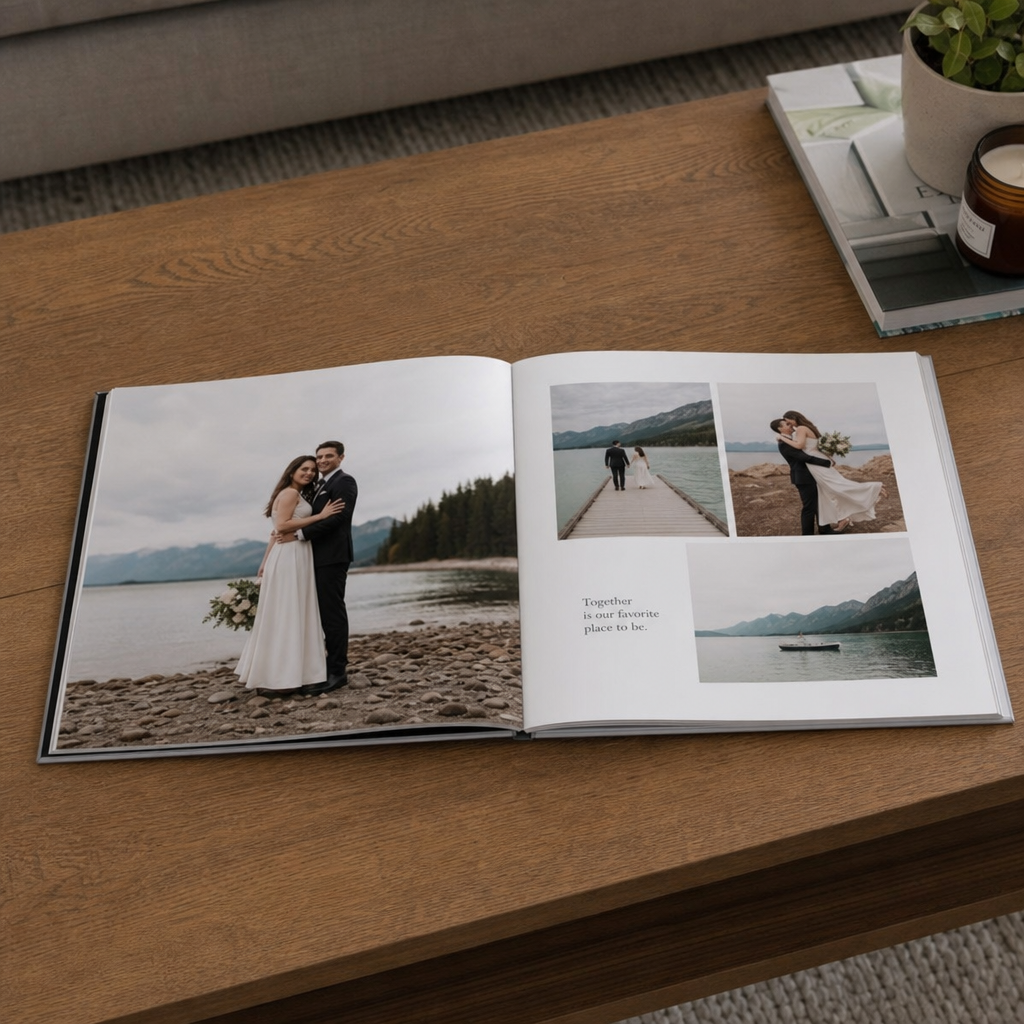
Photo Book vs Photo Album: Key Comparisons
To truly answer the question of which format suits your needs, we must break down the photo book vs photo album debate into a few practical categories.
1. Longevity and Preservation
A common question amongst memory-keepers is: how long do printed photo books last? The answer depends entirely on the materials used. A high-quality photo book can easily last for generations, much like a traditional album.
Whether you choose an album or a book, you must prioritise archival quality photo storage. The secret to longevity lies in the paper. Always look for acid-free paper for long-term preservation. Acidic paper will eventually cause your beautiful photographs to yellow and become brittle. Additionally, consider protecting photographs from moisture and light by storing your albums and books in a cool, dry place, away from direct sunlight which can cause colours to fade.
2. The Design and Preparation Process
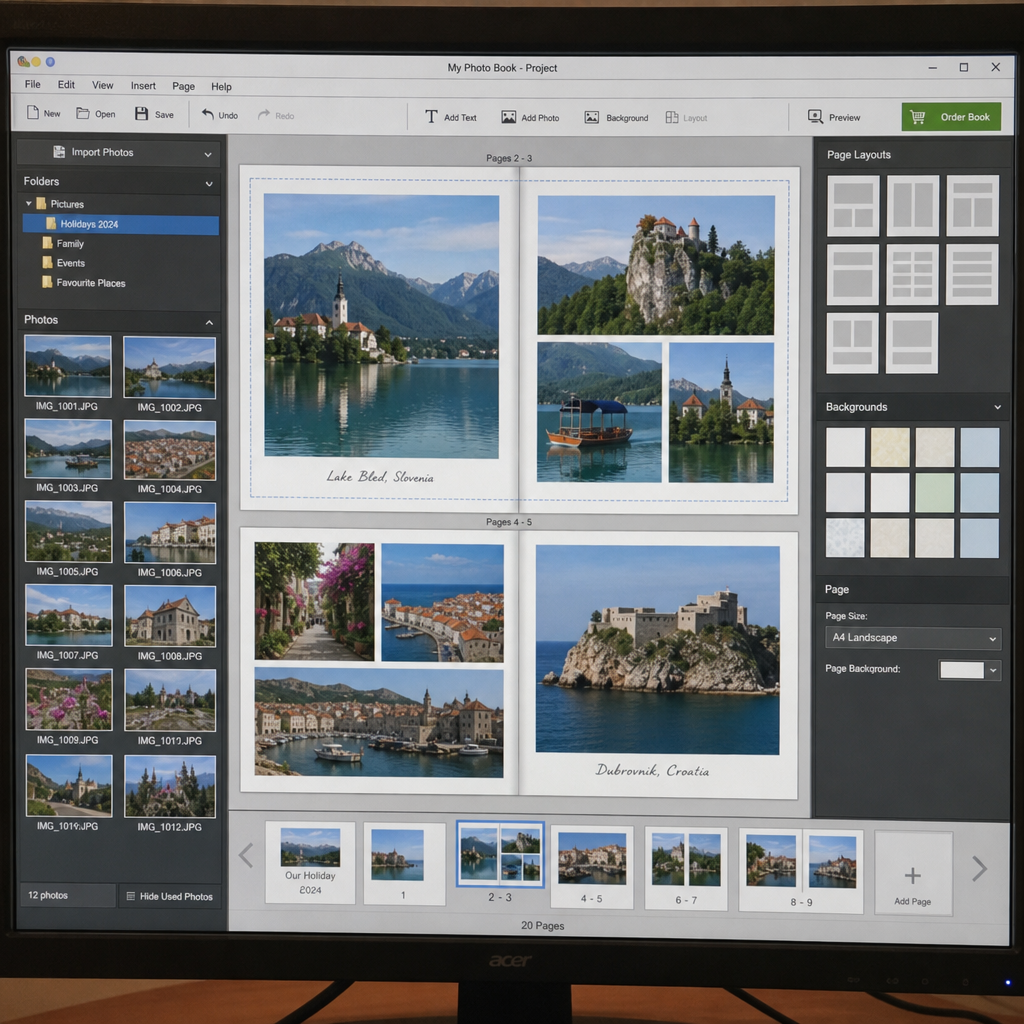
Creating a photo book requires a bit more upfront digital preparation. You will spend a fair amount of time organising digital images for print projects before you even open the book-building software. You have to select, crop, and arrange everything on screen before hitting 'print'.
With a photo book, you also have critical decisions to make regarding the physical build. A major choice is layflat binding vs standard glue binding. Standard binding is cheaper but can swallow the centre of your photos into the spine (the gutter). Layflat binding allows the book to open completely flat, making it perfect for dramatic, double-page panoramic shots.
Furthermore, you will be tasked with choosing between matte and glossy paper finishes. Matte offers a sophisticated, reflection-free look that resists fingerprints, whereas glossy provides vibrant, punchy colours that make holiday snaps pop. A traditional album bypasses much of this layout work—you just print the photos and pop them in.
3. Space and Storage
Let’s be honest: traditional photo albums are bulky. The combination of thick covers, card pages, plastic sleeves, and the photographic paper itself takes up significant shelf space.
If you live in a smaller home or simply prefer a minimalist aesthetic, printed photo books are excellent space-saving family heirloom ideas. Because the images are printed directly onto the pages, a photo book containing 500 images will take up a fraction of the physical space of a traditional album holding the exact same number of photos. You can easily neatly stack a decade's worth of family holidays on a single bookshelf.
The Final Verdict
So, which should you choose?
If you love the nostalgic charm of holding individual prints, want an ongoing project you can add to over time, and want to utilise cost-effective bulk printing, a traditional photo album is your best bet.
On the other hand, if you are looking to commemorate a specific event—like a wedding, a milestone anniversary, or a gap year—and desire a sleek, custom-designed, space-saving format, a digital photo book is the clear winner.
Whichever path you choose, the most important thing is that your memories are no longer trapped on a glowing screen. By bringing them into the physical world, you are creating a tangible legacy that your family will cherish for decades to come.